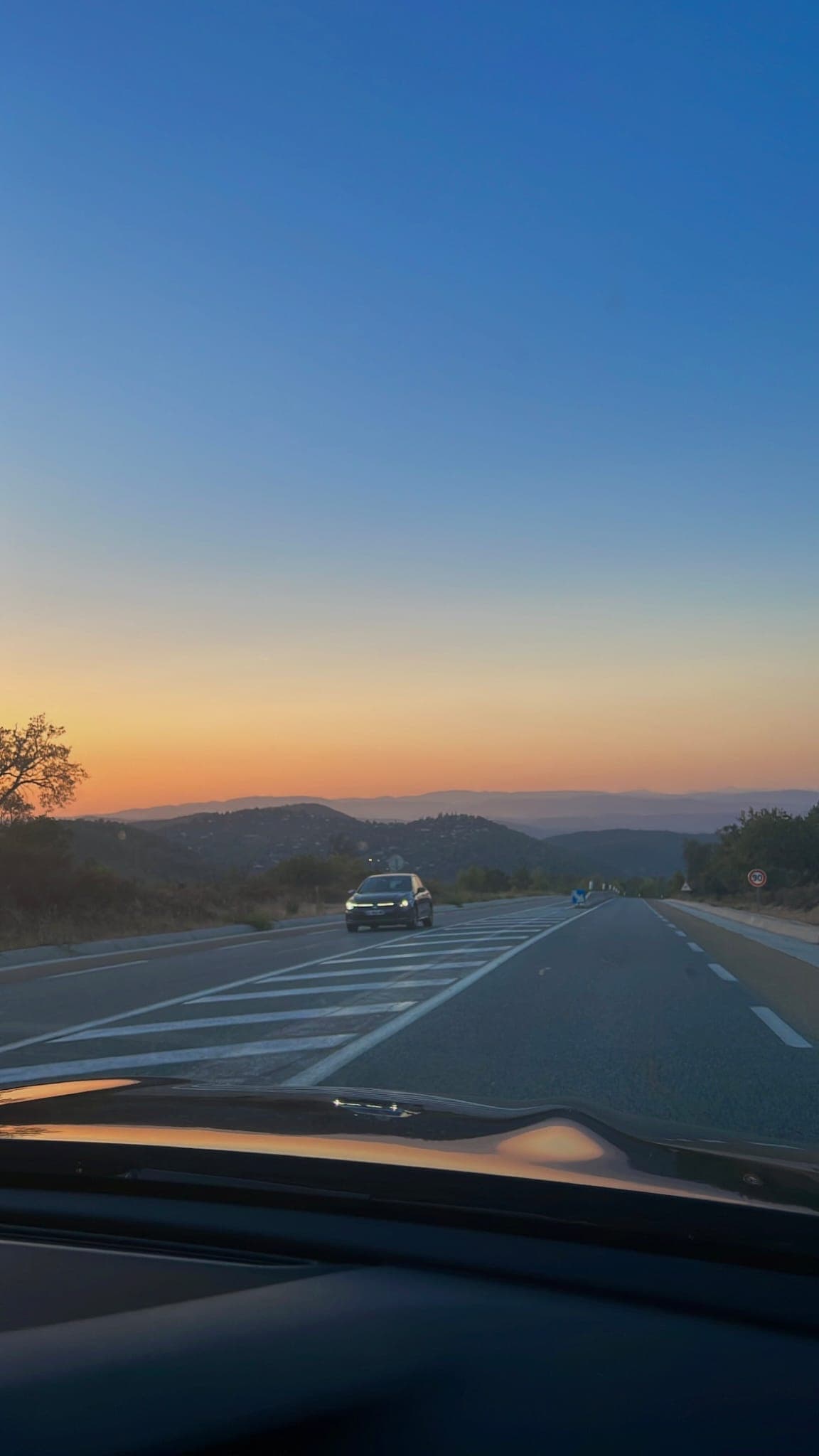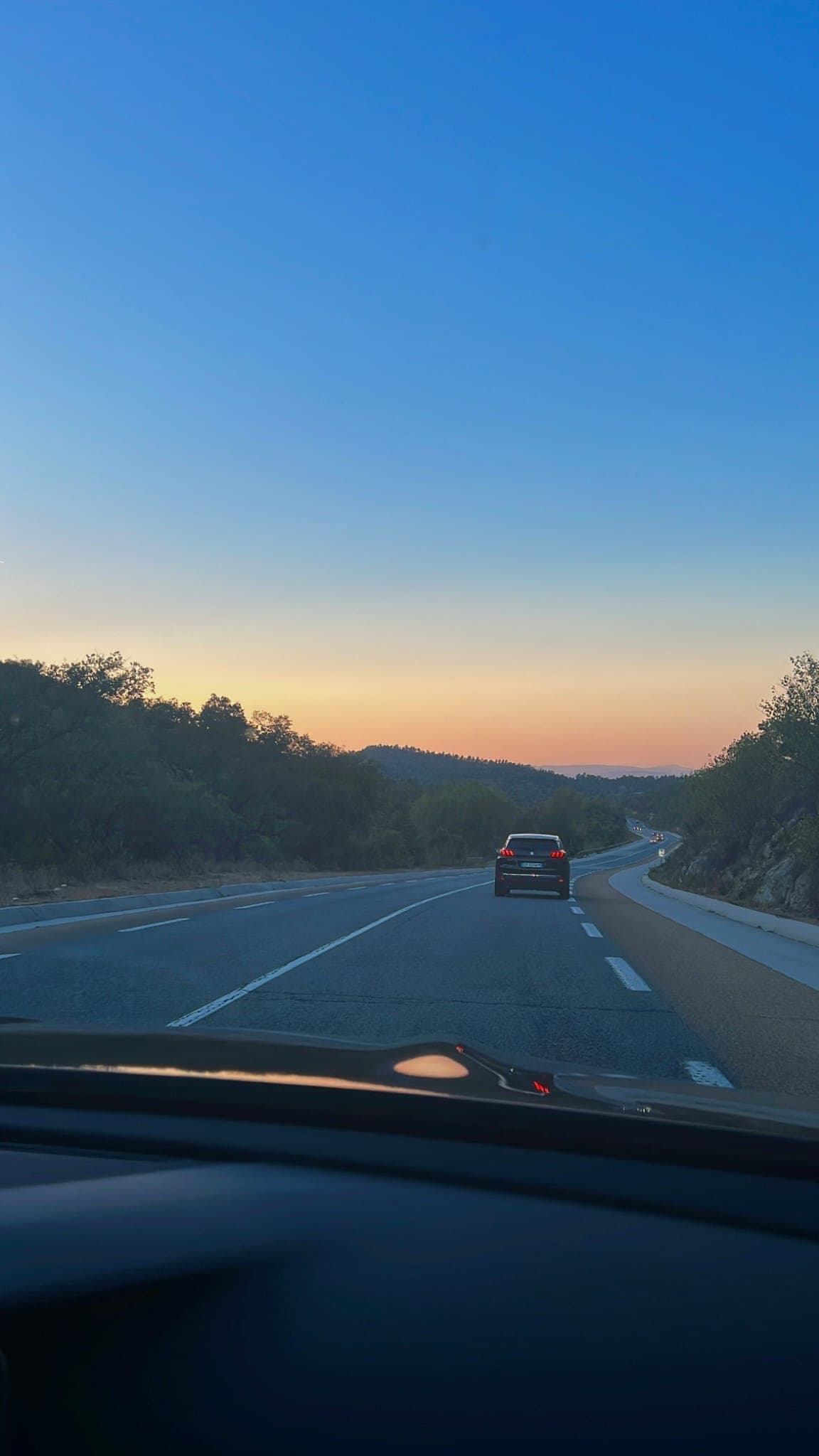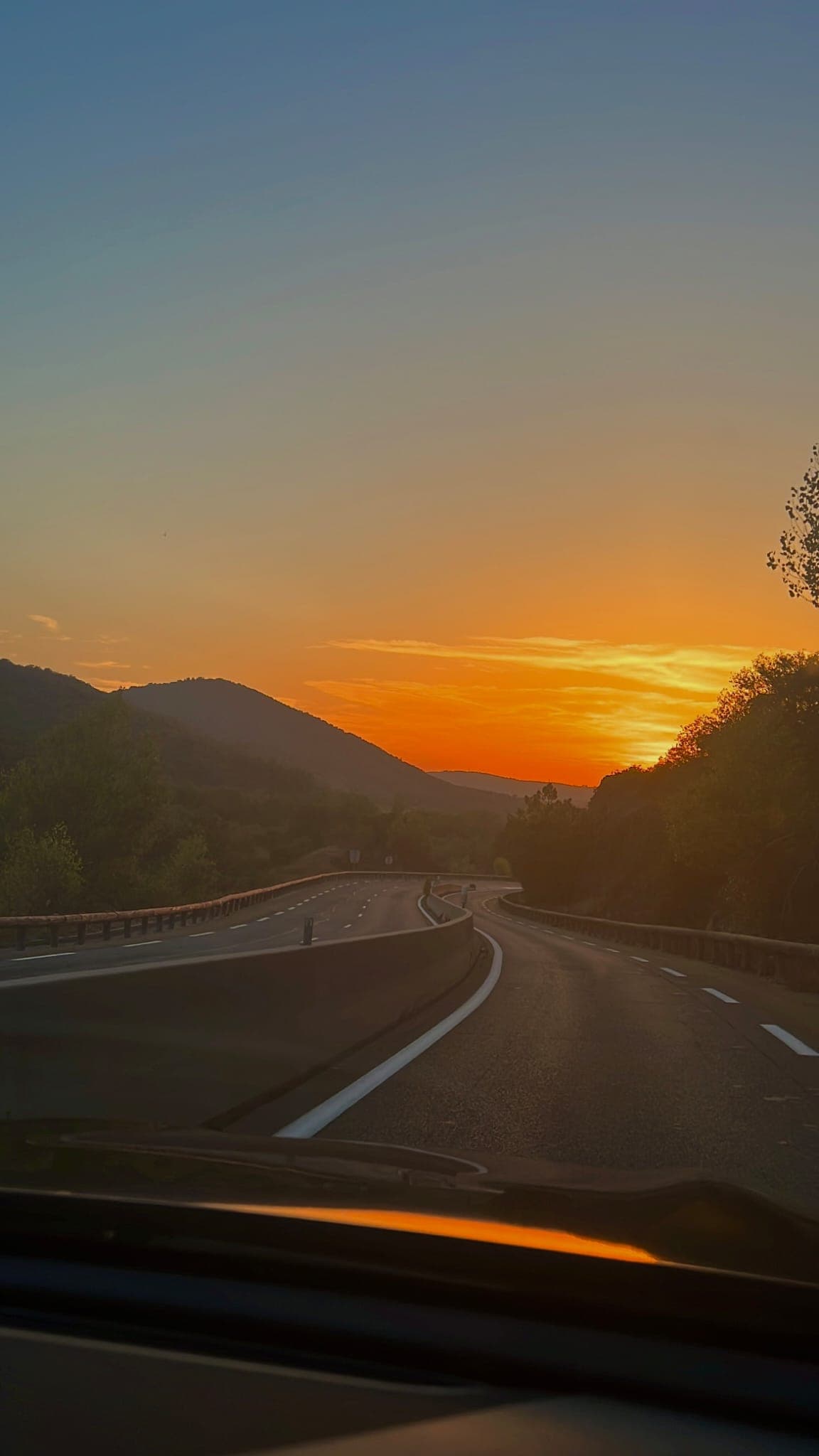
Barcelona El Prat Airport is Spain's second busiest international aviation hub and serves as the principal gateway for Monaco-bound travellers arriving from Latin America, transatlantic connections and the broader Iberian Peninsula. The 5-hour transfer from BCN to Monaco via the AP-7 motorway and the Costa Brava coastline is one of FFGR Monaco's most scenic long-distance routes, combining Barcelona's cosmopolitan energy with the dramatic coastal landscapes of Catalonia, the French Mediterranean and the Côte d'Azur.
Barcelona El Prat — VIP Arrival Services
Barcelona El Prat operates two passenger terminals: Terminal 1 for major international carriers and Terminal 2 for low-cost and regional airlines. A separate general aviation terminal on the southern side of the airfield serves private jet arrivals, with Gestair and Aviapartner providing ground handling services for charter and corporate flights. FFGR Monaco's Barcelona arrival protocol positions the vehicle at the designated VIP exit of each terminal, with the chauffeur maintaining real-time communication with our operations centre throughout the client's arrival process.
For clients arriving on commercial long-haul flights from the Americas — typically landing in the early morning — FFGR Monaco offers an optional Barcelona stopover package in collaboration with the city's leading luxury hotels. A half-day rest at the Mandarin Oriental Barcelona or the Hotel Arts, followed by a mid-afternoon departure for Monaco, transforms what would otherwise be a fatiguing same-day transit into a genuinely restorative experience that sets the tone for the principality visit.
The Costa Brava Route — Catalunya to Monaco
The primary route from Barcelona to Monaco follows the AP-7 toll motorway north along the Catalan coast, passing through Girona, Figueres and the Costa Brava before crossing the Spanish-French border at La Jonquera. Once in France, the route continues via Perpignan, Narbonne and Montpellier before joining the A8 at Cannes and descending towards Monaco. The journey time of five hours reflects consistent motorway speeds, with limited stops required. The Costa Brava portion of the route — from Barcelona to the French border — offers dramatic coastal scenery including views of the Cap de Creus peninsula.
An alternative scenic route via the Pyrénées foothills and Carcassonne adds approximately 45 minutes but rewards clients with views of the medieval walled city and the Canal du Midi before rejoining the coastal motorway at Narbonne. FFGR Monaco's senior chauffeurs are trained on both routes and can provide informed commentary on the architectural, historical and gastronomic highlights visible en route — a service that transforms a long-distance transfer into a curated journey through two of Europe's most distinctive cultural regions.
Latin American & Iberian Clientele
Barcelona serves as the natural European hub for Latin American ultra-high-net-worth individuals whose transatlantic flights connect through BCN before continuing to Monaco. Brazilian, Colombian, Mexican and Argentine clients represent a growing segment of FFGR Monaco's BCN-origin transfers, attracted by Monaco's investment environment, the Mediterranean lifestyle and the Grand Prix and Yacht Show events that draw South American elites each spring and autumn. FFGR Monaco's operations team has Spanish-speaking members available for these clients.
Iberian Peninsula clients — Spanish and Portuguese high-net-worth individuals based in Madrid, Lisbon, Seville or Bilbao — increasingly prefer Barcelona El Prat for Monaco connections, with Iberia and Vueling offering multiple daily services to BCN from all major Spanish cities. FFGR Monaco provides a seamless connecting transfer for these clients, pre-positioned at BCN arrivals within 90 minutes of their domestic or short-haul landing, eliminating any logistical gap between the intra-Spain and Barcelona-Monaco segments of the journey.
Stops & Experiences Along the Route
The five-hour Barcelona–Monaco route offers an exceptional range of optional stops for clients with a flexible schedule. The Salvador Dalí Theatre-Museum in Figueres — 140 kilometres from Barcelona — represents one of the most extraordinary artistic experiences in Europe and can be visited in under 90 minutes, adding a profound cultural dimension to the transfer without materially extending the overall journey time. The medieval city of Carcassonne, visible from the motorway, rewards a brief detour with views of Europe's most intact medieval fortification.
Along the French Riviera section of the route, FFGR Monaco can arrange a private lunch stop in Antibes, a walk through the Matisse Chapel in Vence or a drive-through of the Picasso Museum quarter in Vallauris — all en route to Monaco. These curated experiences reflect FFGR Monaco's belief that the journey to the principality should be as memorable as the destination itself, and that a five-hour transfer can be transformed into an itinerary of genuine cultural and sensory value for the discerning UHNW traveller.